
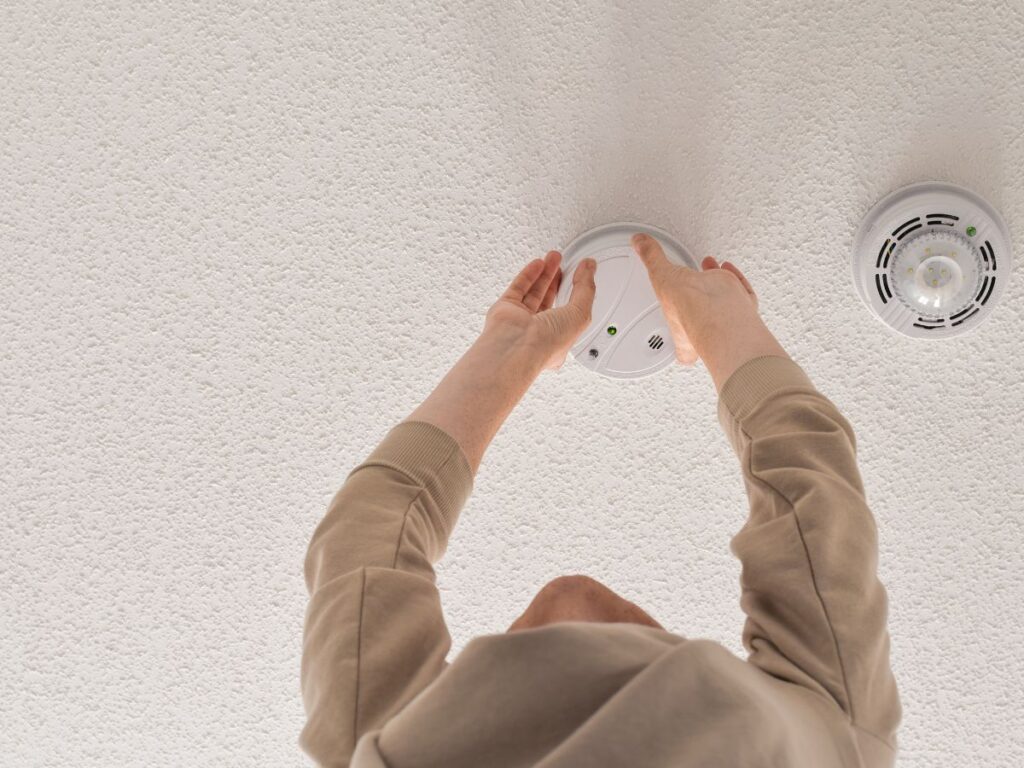
Installing smoke alarms is one of the most important steps you can take to protect your home and loved ones. But many homeowners — even those with good intentions — make small installation errors that can reduce the effectiveness of their alarms or cause frustrating false alerts.
In this article, we cover the most common smoke alarm installation mistakes, how to avoid them, and what best practice looks like for New Zealand homes.
1. Installing Alarms in the Wrong Locations
One of the biggest issues is placing alarms in spots where smoke won’t reach them effectively — or where they’ll go off too easily.
Avoid:
- Corners of rooms where airflow is limited
- Too close to windows, doors, or extractor fans which can blow smoke away
- Near cooking appliances, especially without using a heat alarm
Do:
- Mount smoke alarms on the ceiling, at least 30cm away from walls
- Position alarms in the centre of rooms or hallways
- In multi-storey homes, install alarms at the top and bottom of stairwells
2. Not Installing Enough Alarms
Some homeowners assume a single smoke alarm in the hallway is sufficient. But fires can start in any room — especially bedrooms, living areas, or laundry rooms.
Minimum recommended coverage:
- One alarm in every bedroom
- One alarm in each hallway
- Living rooms and utility spaces should also be covered
For larger homes, wireless interconnectivity ensures everyone hears the alarm, no matter where they are.
3. Using the Wrong Type of Alarm for the Room
Not all alarms are designed for every space. For example, installing a standard smoke alarm in the kitchen or garage may result in nuisance beeping from heat or steam.
Use:
- Photoelectric smoke alarms for bedrooms, hallways, and living areas
- Heat alarms in kitchens, laundries, garages, and workshops
Learn more about different alarm types by viewing our interconnected smoke alarm range.
4. Forgetting to Interconnect Alarms
In larger homes or multi-room dwellings, interconnected alarms are a must. Without them, an alarm in a distant room may not wake sleeping occupants.
CAVIUS offers wireless interconnected alarms that sound together when one is triggered — improving response time and safety for the entire household.
5. Mounting Alarms Incorrectly
Even when you’ve picked the right spot, installation errors can cause problems.
Watch out for:
- Incorrect orientation (alarms should face down if mounted on ceilings)
- Not securing the alarm tightly to the base plate
- Leaving protective films on the sensor or battery cover
Always follow the manufacturer’s instructions to ensure your alarm performs as intended.
6. Delaying Battery Installation or Testing
It’s common to install an alarm and plan to test it “later.” But forgetting to test it, or leaving it inactive, puts your home at risk.
Best practice:
- Test alarms immediately after installation
- Check they are powered and active
- Set a monthly reminder to test regularly
If you’re unsure how, CAVIUS provides detailed setup and battery guides with every product.
7. Not Replacing Old Alarms
Smoke alarms have a limited lifespan, typically around 10 years. Older units may stop working without any warning.
Check the manufacture date on the back of your alarm and replace any units older than a decade.
Final Tips for Safe Smoke Alarm Installation
- Choose high-quality, photoelectric alarms that meet NZ safety standards
- Use alarms with 5 or 10-year batteries for long-term peace of mind
- Always test after installation and again monthly
- Install alarms before decorating or painting a room
If in doubt, consult a licensed installer or explore CAVIUS NZ’s range of compliant, easy-to-install smoke and heat alarms..