
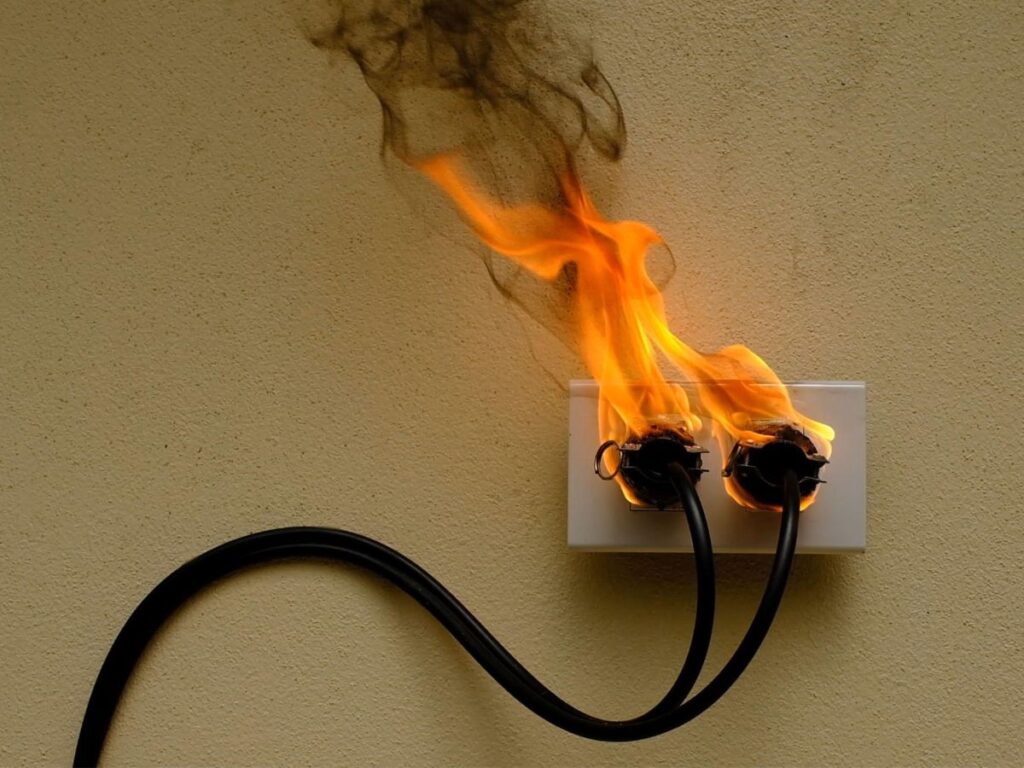
Electrical fires remain one of the leading causes of residential fires across New Zealand. Whether it’s faulty wiring, overloaded sockets, or ageing appliances, these hidden risks often ignite silently — without the visible flames of an open flame or kitchen mishap.
The good news is that early detection through properly placed smoke alarms can significantly reduce the chance of harm. In this guide, we explain the common causes of electrical fires, which rooms are most at risk, and how to use alarm placement as a proactive safety measure.
What Causes Electrical Fires in NZ Homes?
Electrical fires don’t always start with a spark — many smoulder within walls or appliances before igniting into a blaze. The most common causes include:
- Overloaded power boards and sockets
- Old or damaged wiring, especially in older homes
- Worn-out or faulty appliances
- Loose connections or improperly installed fittings
- Heaters and electric blankets left on unattended
Because these risks are often out of sight, they’re hard to detect until it’s too late — which is why reliable smoke alarm coverage is so critical.
Signs of Electrical Fire Risk
Homeowners should be alert to signs of trouble. If you notice any of the following, you may need an electrician to inspect your wiring:
- Lights flickering or dimming unexpectedly
- Burning smells or discoloured power outlets
- Frequent circuit breaker trips
- Buzzing sounds from switches or sockets
These warning signs should never be ignored. While smoke alarms don’t prevent electrical faults, they can give you the critical early warning you need to escape safely.
The Role of Smoke Alarms in Electrical Fire Prevention
In the event of an electrical fire, smoke spreads quickly through ceiling cavities, walls, and hallways. You may not see it coming — but a well-placed photoelectric smoke alarm will detect slow-burning, smouldering fires early.
To maximise your protection, you need:
- The right type of alarm (photoelectric preferred)
- The right number of alarms
- The right placement in each part of your home
Find the perfect alarm for your home and check out our interconnected smoke alarms.
Best Alarm Placement for Electrical Fire Risk Areas
Here’s how to approach alarm placement for rooms most vulnerable to electrical faults:
Bedrooms and Hallways
Most fatal fires occur while people are sleeping. Install a smoke alarm:
- Inside every bedroom
- In all hallways leading to sleeping areas
- Alarms should be interconnected, so when one sounds, they all do
Living Rooms and Lounges
Large appliances like TVs and heaters can cause issues. Place an alarm:
- On the ceiling near electrical outlets
- At least 30cm from walls or light fittings
Kitchens
While kitchens are high-risk areas, avoid placing alarms too close to cooking zones as it may cause nuisance alarms. Instead:
- Use a heat alarm, which detects rapid temperature rises
- Install it away from stovetops and extractor fans
Garages and Utility Rooms
Often overlooked, these areas are packed with tools, batteries, and charging devices. Install a smoke or heat alarm depending on the space and risk.
Don’t Forget: Interconnectivity Matters
Electrical fires can start in one part of the house and go unnoticed until it’s too late. That’s why wireless interconnected alarms — like those offered by Cavius — are a smart investment. When one detects smoke, all alarms in the network are triggered, ensuring everyone in the house hears it immediately.
Extra Tips for Reducing Electrical Fire Risk
- Avoid daisy-chaining extension cords
- Regularly inspect cords for wear or fraying
- Don’t cover power boards with rugs or furniture
- Unplug appliances when not in use, especially heaters and blankets
- Get older homes checked by a qualified electrician
Final Thoughts
Electrical fire prevention in NZ isn’t just about avoiding overloaded plugs. It’s about layering your safety measures — with smart habits, regular maintenance, and most importantly, reliable smoke alarms installed in the right places.
If you’re unsure what type of alarm you need or where to place it, explore the full Cavius NZ product range or speak with a licensed alarm installer. A few small changes today could save lives tomorrow.
Contact us to learn more about our photoelectric smoke alarms, interconnected safety systems, and installation tips.